Industrial environments such as manufacturing plants, chemical industries, mining operations, construction projects, steel plants, and power generation facilities are often associated with occupational hazards. Workers in these environments may be exposed to chemicals, dust, noise, high temperatures, heavy machinery, and physically demanding tasks.
Because of these risks, industries are legally and ethically responsible for ensuring the health and safety of their employees. One of the most effective ways industries protect worker health is by establishing an Occupational Health Centre (OHC) within the workplace.
An Occupational Health Centre functions as the primary medical facility for employees, providing first aid, emergency treatment, routine health monitoring, and occupational disease prevention.
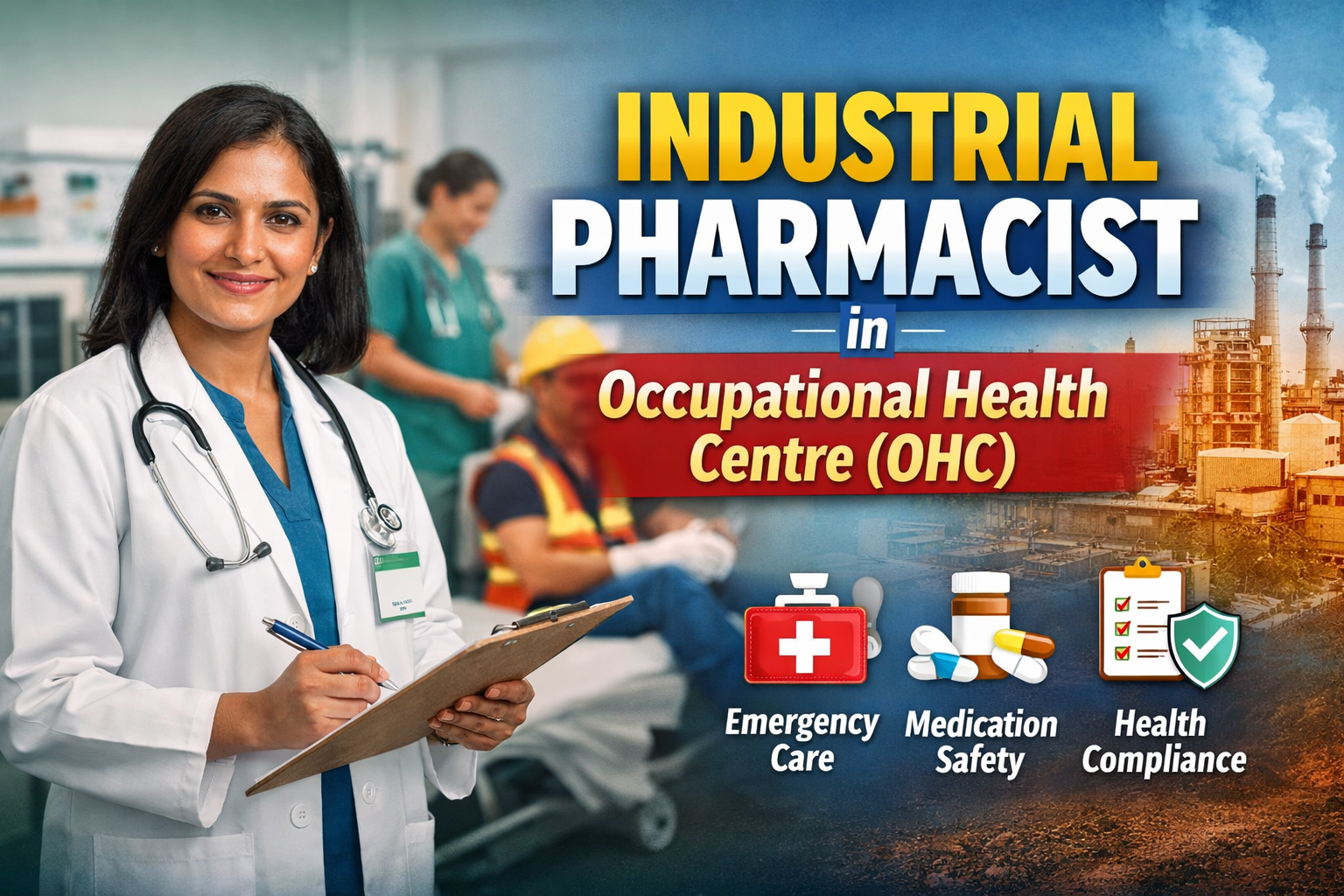
While doctors and nurses typically receive most of the attention in workplace healthcare systems, the Industrial Pharmacist plays a vital and often underrecognized role in ensuring safe medication practices, proper pharmacy management, emergency preparedness, and regulatory compliance.
Industrial pharmacists act as an important bridge between pharmaceutical science and occupational healthcare. Their responsibilities go beyond dispensing medicines—they contribute significantly to workplace safety, employee wellbeing, and efficient healthcare delivery inside industrial environments.
This article explores the comprehensive role of industrial pharmacists in Occupational Health Centres, their responsibilities, required skills, and their importance in industrial healthcare systems.
Understanding the Occupational Health Centre (OHC)
An Occupational Health Centre (OHC) is a dedicated healthcare unit located inside an industrial facility or workplace. The primary purpose of an OHC is to ensure that employees have immediate access to medical care and health monitoring services.
Industrial workers often face job-related health risks that may require immediate treatment or long-term medical monitoring. The OHC acts as the first point of medical contact in case of workplace injuries, illnesses, or emergencies.
Services Provided by an Occupational Health Centre
An OHC typically provides a wide range of healthcare services including:
-
Immediate first aid and emergency care for workplace accidents
-
Primary healthcare services for employees
-
Medical examination and health surveillance programs
-
Pre-employment and periodic medical check-ups
-
Occupational disease diagnosis and management
-
Vaccination and immunization programs
-
Health awareness and preventive care programs
These services help industries maintain a safe working environment while also ensuring regulatory compliance with occupational health standards.
Healthcare Team in an OHC
An Occupational Health Centre generally includes a multidisciplinary medical team consisting of:
-
Occupational health physicians
-
Nurses and paramedical staff
-
Industrial pharmacists
-
Safety officers
-
Medical assistants and administrative staff
Among these professionals, the industrial pharmacist ensures the safe use, availability, and proper management of medicines required for employee healthcare.
Key Responsibilities of an Industrial Pharmacist in OHC
The role of an industrial pharmacist in an Occupational Health Centre is diverse and involves both clinical and administrative responsibilities.
Below are the major responsibilities performed by industrial pharmacists in workplace healthcare systems.
1. Medication Management and Safe Drug Dispensing
Medication safety is one of the most important aspects of healthcare services provided within an OHC. Industrial pharmacists ensure that medicines prescribed by occupational health physicians are dispensed accurately and safely.
Safe medication dispensing involves several important steps such as:
-
Verifying the authenticity and clarity of prescriptions
-
Ensuring the correct drug, dosage, and strength are dispensed
-
Checking potential drug interactions or contraindications
-
Labeling medicines clearly with proper instructions
-
Educating employees about medication usage
Many workers may have limited knowledge about medications, making it essential for pharmacists to provide clear instructions regarding dosage, duration of treatment, and precautions.
Proper medication management helps prevent errors, ensures treatment effectiveness, and improves overall patient safety within the workplace healthcare system.
2. Emergency Medicine Management and Preparedness
Industrial workplaces often involve high-risk operations, which increases the likelihood of workplace accidents. Injuries may include burns, chemical exposure, fractures, cuts, respiratory distress, or toxic exposure.
The industrial pharmacist plays a critical role in ensuring that the Occupational Health Centre is always prepared to handle medical emergencies.
Key responsibilities related to emergency preparedness include:
-
Maintaining adequate stock of emergency medicines
-
Ensuring availability of antidotes for chemical exposure
-
Monitoring expiry dates of life-saving drugs
-
Maintaining crash carts and emergency kits
-
Ensuring quick accessibility of emergency medicines
Common emergency medications maintained in industrial OHC pharmacies may include:
-
Adrenaline injections
-
Anti-allergic medications
-
Pain management drugs
-
Burn treatment medications
-
Antidotes for chemical exposure
-
Oxygen therapy support medicines
By ensuring that emergency drugs are always available and properly maintained, industrial pharmacists contribute directly to life-saving medical interventions.
3. Pharmacy Inventory and Drug Store Management
Inventory management is another major responsibility of industrial pharmacists. A well-managed pharmacy ensures that essential medicines are always available without unnecessary wastage.
Industrial pharmacists manage the pharmacy inventory through systematic planning and monitoring.
Their responsibilities include:
-
Forecasting medicine requirements
-
Maintaining optimal stock levels
-
Preventing stock shortages of critical medicines
-
Monitoring drug expiry dates
-
Managing temperature-sensitive medicines
-
Maintaining cold chain storage for vaccines
Proper inventory management ensures that the OHC can function efficiently without interruption in medical services.
Additionally, efficient stock control helps industries reduce unnecessary expenses related to medicine wastage or overstocking.
4. Supporting Occupational Health Programs
Industrial pharmacists play an active role in supporting workplace health programs designed to monitor and improve employee health.
They assist in organizing and implementing programs such as:
-
Periodic health screening camps
-
Occupational disease monitoring
-
Vaccination and immunization drives
-
Chronic disease monitoring programs
-
Workplace health awareness campaigns
Industrial workers may experience health conditions related to their work environment such as:
-
Respiratory diseases due to dust exposure
-
Skin allergies caused by chemicals
-
Heat stress in high-temperature workplaces
-
Musculoskeletal injuries
-
Workplace infections
Pharmacists assist the medical team in managing these conditions by ensuring proper medication support and maintaining medical records.
5. Regulatory Compliance and Drug Safety
Maintaining compliance with pharmaceutical and healthcare regulations is an important part of pharmacy operations in an Occupational Health Centre.
Industrial pharmacists ensure that all pharmacy activities follow legal and regulatory requirements.
This includes compliance with:
-
Drug storage guidelines
-
Pharmacy documentation standards
-
Narcotic drug control regulations
-
Biomedical waste management rules
-
Pharmacy audit requirements
Failure to comply with these regulations may lead to legal issues or compromise the quality of healthcare services provided to employees.
Therefore, pharmacists play an important role in maintaining pharmaceutical governance within industrial healthcare systems.
6. Employee Health Education and Medication Counseling
In addition to managing medicines, industrial pharmacists also contribute to employee health education.
Workers often require guidance on proper medicine usage and health management.
Pharmacists educate employees on topics such as:
-
Proper use of prescribed medicines
-
Potential side effects of medications
-
Importance of completing treatment courses
-
First aid awareness
-
Preventive healthcare practices
Many industrial workers may also suffer from lifestyle-related diseases such as:
-
Diabetes
-
Hypertension
-
Respiratory problems
-
Obesity
Providing medication counseling and health awareness programs helps employees manage their health more effectively.
7. Documentation and Record Keeping
Documentation is a critical component of pharmacy operations in an Occupational Health Centre.
Industrial pharmacists maintain several important records including:
-
Drug stock registers
-
Medicine dispensing records
-
Expiry monitoring logs
-
Purchase and consumption reports
-
Controlled drug registers
-
Regulatory documentation
These records are necessary for:
-
Internal pharmacy audits
-
Safety inspections
-
Regulatory compliance checks
-
Inventory control and forecasting
Accurate documentation helps ensure transparency and accountability within the healthcare system.
Skills Required for an Industrial Pharmacist
To perform effectively in an Occupational Health Centre, pharmacists must possess a combination of technical knowledge, management ability, and communication skills.
Key skills required include:
-
Strong pharmaceutical knowledge
-
Inventory and supply chain management
-
Emergency medicine preparedness
-
Communication and counseling skills
-
Documentation and regulatory compliance expertise
-
Basic understanding of occupational health hazards
Pharmacists with experience in hospital pharmacy, emergency medicine management, or industrial healthcare systems often perform particularly well in OHC environments.
Importance of Industrial Pharmacists in Workplace Safety
Industrial pharmacists play a crucial role in ensuring that workplace healthcare systems operate smoothly and effectively.
Their contributions help industries achieve several important objectives such as:
-
Timely treatment of injured workers
-
Safe medication practices
-
Continuous availability of essential medicines
-
Compliance with healthcare regulations
-
Improved employee health and productivity
By maintaining an organized pharmacy system and supporting the occupational health team, industrial pharmacists help industries create a safer and healthier work environment.
Future Scope of Industrial Pharmacists in Occupational Health
With increasing awareness about workplace safety and employee wellbeing, industries are investing more in occupational health services.
This growing focus has increased the demand for qualified professionals in industrial healthcare, including industrial pharmacists.
In the future, industrial pharmacists are expected to play an even greater role in areas such as:
-
Workplace health monitoring programs
-
Occupational disease prevention strategies
-
Digital pharmacy systems in OHC
-
Workplace wellness initiatives
-
Emergency preparedness planning
The evolving role of industrial pharmacists makes this field a promising career path for pharmacy professionals interested in industrial healthcare and occupational medicine.
Conclusion
The Industrial Pharmacist is an essential member of the Occupational Health Centre team. Their responsibilities extend far beyond traditional pharmacy dispensing and include medication safety, emergency preparedness, inventory management, regulatory compliance, and employee health education.
By ensuring the availability of essential medicines and supporting occupational health initiatives, industrial pharmacists contribute significantly to workplace safety and employee wellbeing.
As industries continue to prioritize occupational health and safety, the importance of industrial pharmacists in workplace healthcare systems will continue to grow.
Their expertise not only strengthens industrial healthcare services but also helps organizations build a healthier, safer, and more productive workforce.